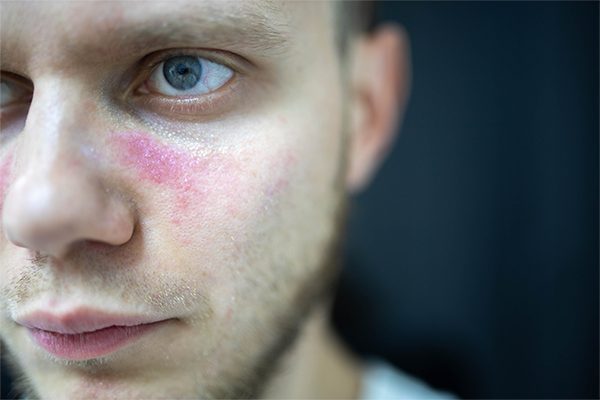
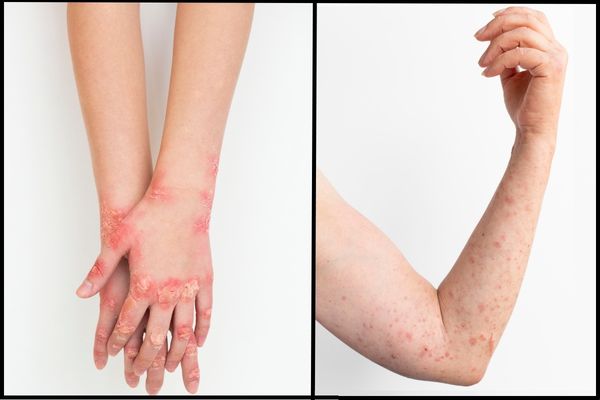
Key Takeaway: Lupus is not contagious: You cannot catch lupus from someone else through touch, air, or close contact. It’s an autoimmune condition: Lupus occurs when the immune system attacks...
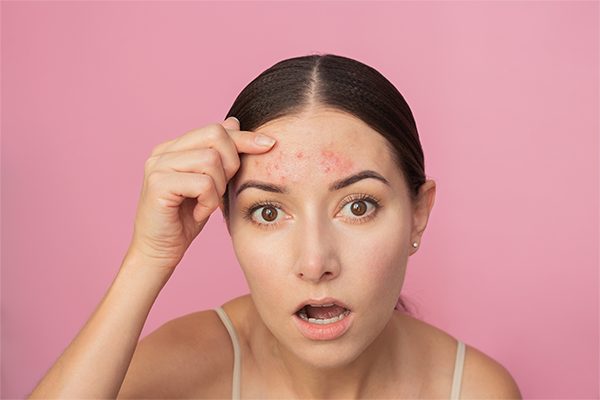
Introduction The causes of acne are the same whether it appears on the face, forehead, shoulders, scalp, jawline, or other areas. Forehead acne is one of the most common skin...
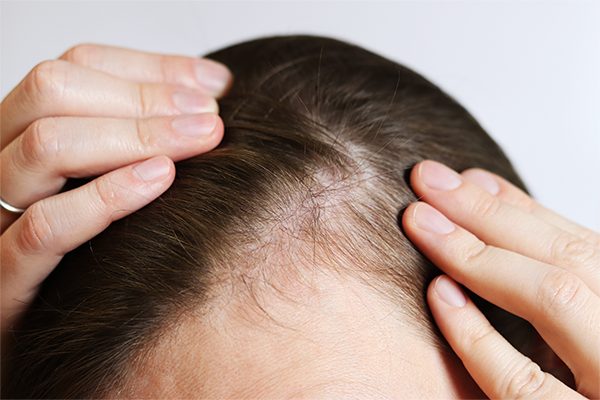
Key Takeaway: Female pattern baldness is a common gradual thinning of hair on the top of the scalp. Genetics and hormonal changes are the main causes, but age, stress, and...
Key Takeaway: Scrotal eczema is a non-contagious skin condition that causes itchy, inflamed skin on the scrotum and nearby genital areas. Common symptoms include redness, dark patches, dryness, thickened skin,...
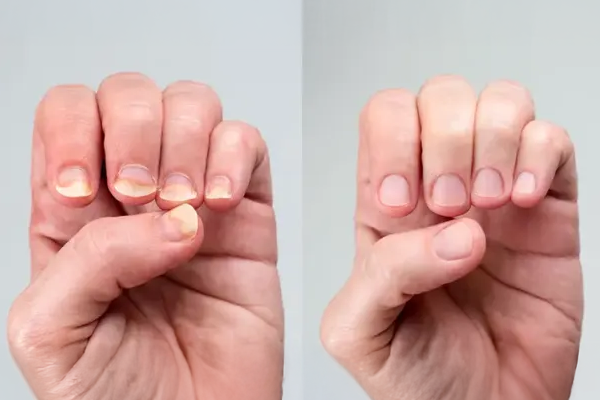
Key Takeaway: Nail psoriasis vs fungus can look similar, but they have very different causes—psoriasis is an autoimmune condition, while nail fungus is a contagious infection caused by fungi. Key...
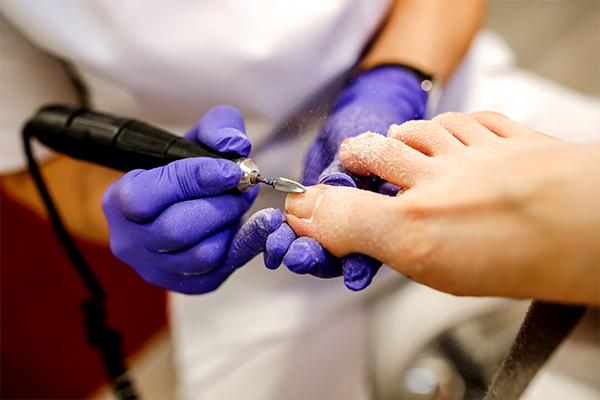
Key Takeaway: Nail psoriasis is common and manageable with the right treatment approach. Results take time, as nail growth is slow and treatments require consistency. Treatment options range from topical...
Key Takeaway: Nodular acne forms deep under the skin, appearing as firm, painful lumps without a visible head. It is more severe than regular acne, often lasting for weeks or...
Key Takeaway: Nail psoriasis is a common but often overlooked form of psoriasis that can occur even without visible skin symptoms and may affect fingernails, toenails, or both. Symptoms range...
Key Takeaway: Lupus is an autoimmune disease that often develops quietly, making early awareness critical for timely diagnosis and treatment. Early signs of lupus include unexplained fever, fatigue, hair loss,...
Pustular psoriasis is a rare autoimmune skin condition causing white or yellow pus-filled blisters on red, inflamed skin. Generalized pustular psoriasis can affect large areas of the body and may...