

Last Updated on January 26, 2026
Key Takeaway:
- Nail psoriasis is a common but often overlooked form of psoriasis that can occur even without visible skin symptoms and may affect fingernails, toenails, or both.
- Symptoms range from discoloration and nail pitting to thickening, crumbling, and nail separation, which can impact daily activities and quality of life.
- The condition is not contagious and is frequently confused with fungal infections, making proper diagnosis essential for effective treatment.
- Early recognition, combined with appropriate medical treatment, nail care, and lifestyle adjustments, can help manage symptoms and prevent long term complications.
Introduction
If you have psoriasis, it’s essential that you also check your nails. Yes, it may be surprising, but psoriasis can also affect your nails, even if there are no visible symptoms of psoriasis present on your skin.
Psoriasis is an autoimmune condition that causes the skin cells to reproduce quickly and uncontrollably. They may appear on different parts of your body, like foot psoriasis, erythrodermic psoriasis, genital psoriasis, on the face, and others. However, nail psoriasis might be a new term for you. So, this guide is the perfect point for you to know the ins and outs of this condition.
What Is Nail Psoriasis?
So, what is nail psoriasis exactly? It is a chronic inflammatory condition that affects the fingernails and toenails. It occurs when psoriasis impacts the nail matrix, nail bed, or both. As a result, nails may develop visible changes that can range from mild to severe.
Nail Psoriasis often appears alongside skin psoriasis, but in some cases, it can be the only visible sign of the disease. Because nails grow slowly, changes may develop gradually and persist for long periods.
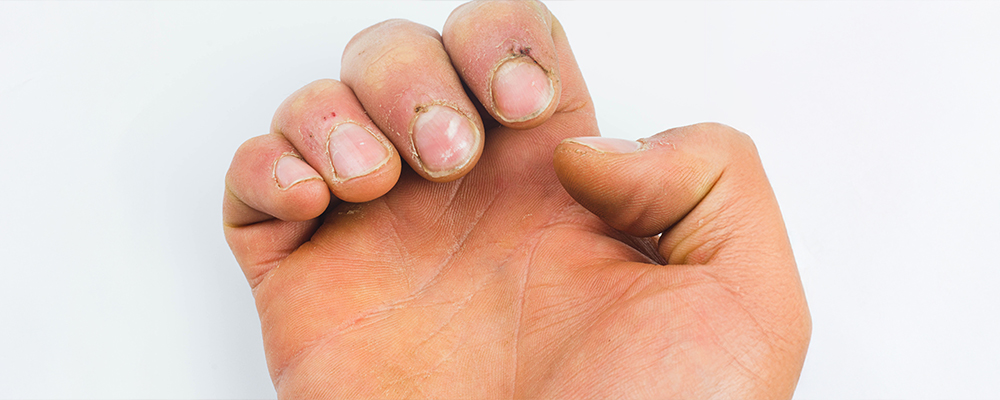
Many people also ask, what does nail psoriasis look like? The answer depends on which part of the nail is affected. Some nails may show small dents, while others may thicken, crumble, or change color.
Who Gets Affected by This Condition?
This type of psoriasis can affect anyone. However, certain conditions or age groups are more prone to developing psoriasis:
- Male gender
- Age above 40
- Genetic factor
- Having psoriatic arthritis
How Common is this Condition?
Although an unfamiliar term, this type of psoriasis is a frequent condition found in almost 50% of all patients suffering from psoriasis and around 86% of people having psoriatic arthritis.
Signs and Symptoms of Nail Psoriasis
Common symptoms of this psoriasis include:
- Discoloration: The nail bed may change in color, creating patches often referred to as salmon spots or oil drop marks. These areas can appear yellow, red, pink, or brown beneath the nail.
- Nail pitting: Small depressions may form on the nail surface. These pits can range in size from tiny pinpoint marks to larger crayon-tip-sized indentations. They may be shallow or deep, and while some people develop only a few pits, others may have several on a single nail.
- Structural nail changes: Nails may develop horizontal grooves known as Beau’s lines. Over time, they can become thin, fragile, and prone to crumbling. In addition, the skin beneath the nail tip may thicken, peel, and gradually separate from the nail bed, a condition called onycholysis, which can increase the risk of secondary fungal infections.
What are the Possible Causes of Nail Psoriasis?
As psoriasis is an autoimmune condition, the main reason lies in the outgrowth of the cells, which is uncontrolled and unchecked. The altered process of cell generation requires the skin cells to grow every 28-30 days. Thus, when the skin becomes saturated, the new cells shift to the nail, causing nail psoriasis.
Nail Pitting and Other Structural Changes
Nail pitting is one of the most recognizable features of nail psoriasis. These pits form when inflammation disrupts nail formation at the matrix. As the nail grows, these defects become visible on the surface.
However, nail pitting is not the only structural change. Many patients also notice ridges, thickening, or a chalky appearance. Over time, nails may lose their smooth texture and become fragile. Because of these changes, everyday tasks like typing or buttoning clothes may become difficult.
Understanding these changes helps patients better explain symptoms to their healthcare provider and seek appropriate nail psoriasis treatment sooner.
Risk Factors
Key risk factors include:
- A personal or family history of psoriasis.
- Autoimmune system dysfunctions.
- Stress and emotional triggers.
- Skin injuries around the nails.
- Certain medications.
- Smoking and lifestyle factors.
While genetics play a strong role, environmental triggers often determine flare-ups. Managing these triggers can reduce symptom severity over time.
What Does Nail Psoriasis Look Like?
Patients often ask, what does this type of psoriasis look like in daily life. Their appearance can vary widely. Some nails may have subtle pitting that is only noticeable upon close inspection. Others may appear thick, yellowed, or distorted.
In more advanced cases, nails may lift completely from the nail bed. This not only affects appearance but also increases the risk of secondary infections. Since nail changes develop slowly, many people delay seeking help. However, early recognition of what does this psoriasis look like can prevent complications.
Nail Psoriasis vs Fungus: How to Tell the Difference?
One of the most common challenges is distinguishing nail psoriasis vs fungus. Both conditions can look similar, yet they require very different treatments.
When comparing nail psoriasis vs fungus, consider the following differences:
- This type of psoriasis often affects multiple nails symmetrically, while fungal infections usually start in one nail.
- Psoriasis may cause pitting and nail separation without odor, whereas fungus often causes thick debris and a smell.
- Fungal infections spread slowly from the tip inward, while this psoriasis can affect the nail base early.
Because misdiagnosis is common, a healthcare provider may perform nail scrapings or lab tests to confirm the condition. Correct diagnosis ensures the right nail psoriasis treatment plan.
Is Nail Psoriasis Contagious?
As this condition is an autoimmune disease, it is not contagious. It cannot be spread to another person through contact.
How Is Nail Psoriasis Diagnosed?
Diagnosis of this psoriasis is usually based on clinical examination and medical history. If skin psoriasis is present, diagnosis becomes easier. However, when nail symptoms appear alone, doctors may rule out fungal infections first.
In some cases, a small nail biopsy may be required. Although this is rare, it helps confirm what causes nail psoriasis and excludes other nail disorders.
What Is the Best Treatment for Nail Psoriasis?
Many patients wonder, what is the best treatment for Nail Psoriasis? The answer depends on symptom severity, nail involvement, and overall health.
There is no single cure, but effective treatment focuses on controlling inflammation and improving nail growth.
Topical Treatments:
Topical corticosteroids, vitamin D analogs, and retinoids are commonly prescribed. These help reduce inflammation around the nail matrix.
Injectable and Systemic Therapies:
For severe cases, systemic medications or biologic therapies may be recommended. These treatments target immune pathways responsible for psoriasis and can significantly improve Nail Psoriasis.
Nail Care and Lifestyle Adjustments:
Proper nail trimming, moisturizing, and avoiding trauma are essential. Wearing gloves during chores and reducing stress can also support treatment outcomes.
Understanding how to treat this type of psoriasis involves combining medical therapy with consistent nail care habits.
Living With Nail Psoriasis
Living with this type of psoriasis can affect confidence and daily activities. However, proper education and treatment can make a significant difference. Many patients experience improvement with consistent care and follow-up.
Emotional support is also important. Since visible nail changes can impact self-esteem, connecting with support groups or healthcare professionals can help manage the condition holistically.
Conclusion:
To conclude, nail psoriasis is more than a cosmetic concern. It is a chronic condition that requires proper diagnosis, treatment, and ongoing care. By understanding what is nail psoriasis, recognizing the signs and symptoms of nail psoriasis, and learning about nail psoriasis causes, patients can take proactive steps toward healthier nails.
Additionally, Metroboston Clinical Partners is conducting Psoriasis clinical trials to help find better treatment options. Join us in this venture to help reshape what better treatment options could look like.
Need support for your clinical trials?
Your journey to better care starts here, reach out to us today!

 617-789-5300