

Last Updated on December 24, 2025
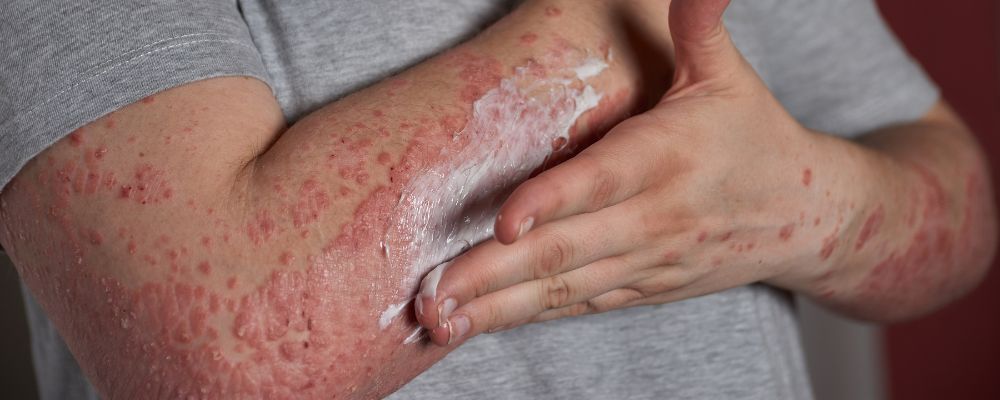
- Pustular psoriasis is a rare autoimmune skin condition causing white or yellow pus-filled blisters on red, inflamed skin.
- Generalized pustular psoriasis can affect large areas of the body and may require hospitalization.
- Localized pustular psoriasis commonly affects the hands, feet, or fingertips.
- Early signs include redness, small pustules, burning, or mild discomfort.
- Triggers include genetics, stress, infections, medications, pregnancy, and smoking.
- Common symptoms are painful pustules, swelling, redness, fatigue, and fever.
- Severe forms of pustular psoriasis can spread quickly, especially in generalized pustular psoriasis.
- Treatments include topical creams, oral or systemic medications, biologics, phototherapy, and stress management.
- Managing lifestyle, avoiding triggers, and participating in clinical trials can improve care and access to new treatments.
Pustular psoriasis is a rare but serious form of psoriasis that causes painful, pus-filled blisters to appear on the skin. These blisters, called pustules, are surrounded by red and inflamed skin and can develop suddenly.
Pustular psoriasis can affect small areas of the body or spread widely. If not treated early, it may lead to serious health complications.
In this blog, we explain what pustular psoriasis is, what causes it, and what it looks like. Additionally, we will also discuss available pustular psoriasis treatment options and the role of research in improving disease management.
What Is Pustular Psoriasis?
Pustular psoriasis is a chronic autoimmune skin condition that causes white or yellow pus-filled blisters to form around red, swollen skin. Unlike plaque psoriasis, this type develops when white blood cells quickly build up in the skin, leading to sudden outbreaks of visible pustules. Although these blisters contain pus, they are not infectious and do not contain bacteria.
Moreover, pustules may appear on specific areas such as the hands and feet or spread to larger areas of the body. While pustular psoriasis can affect people of any age, it is more commonly seen in adults and may also be linked with symptoms like skin redness, swelling, joint pain (psoriatic arthritis), fever, or fatigue.
Types of Pustular Psoriasis
There are different forms of pustular psoriasis, depending on how widespread it is.
Generalized Pustular Psoriasis:
Generalized pustular psoriasis is the most severe form. It affects large areas of the body and can develop suddenly. Symptoms may include:
- Widespread pustules
- Fever and chills
- Fatigue
- Rapid heart rate
- Dehydration
This type is chronic and can be life-threatening if not treated promptly, and usually requires hospitalization.
Localized Pustular Psoriasis:
Localized or acute pustular psoriasis affects specific areas of the body, such as the hands, feet, or fingertips. Although less dangerous than generalized pustular psoriasis, it can still be painful and difficult to manage.
This type includes:
- Palmoplantar pustulosis-affects your hands and feet.
- Acrodermatitis continua- affects the tips of your fingers and toes.
Stages of Pustular Psoriasis
Pustular psoriasis can develop rapidly, and its severity can vary depending on the stage. Understanding the stages helps in early detection and treatment:
1. Early Stage (Initial Flare-up):
Early-stage pustular psoriasis begins with redness and inflammation on the skin, often accompanied by small, isolated pustules. Patients may experience itching, burning, or mild discomfort.
2. Progressive Stage (Spread of Pustules):
Pustules multiply and may merge into larger areas, covering more skin. Redness, swelling, and pain increase, and systemic symptoms like fever or fatigue may appear.
3. Peak Stage (Severe Flare-up):
Inflammation is at its highest, and pustules can cover significant portions of the body. Complications such as infection, dehydration, or joint pain may occur if untreated.
4. Recovery Stage (Healing and Remission):
Pustules begin to dry out and peel, leaving red or discolored patches. With proper treatment, the skin gradually heals, although flare-ups can recur.
Causes of Pustular Psoriasis
While the exact cause of pustular psoriasis is not fully known, several factors can trigger or worsen the condition. They may include:
Genetic Predisposition: Certain genetic mutations, particularly in the IL36RN gene, have been linked to increased susceptibility. Family history of psoriasis or other autoimmune conditions may elevate risk.
Medication Reactions: Sudden withdrawal from systemic corticosteroids or topical steroid treatments can precipitate flares. Certain medications, including lithium, some antibiotics, and specific blood pressure medications, may also trigger episodes.
Infections and Illness: Upper respiratory infections, strep throat, or other systemic infections can activate the immune system in ways that trigger outbreaks.
Pregnancy: Impetigo herpetiformis, a rare form of generalized pustular psoriasis, occurs during pregnancy and typically resolves after delivery.
Stress and Environmental Factors: Psychological stress, skin injuries, excessive sun exposure, or chemical irritants can serve as catalysts for flares.
Smoking: It increases inflammation in the body and is strongly linked to psoriasis flare-ups. Moreover, it can worsen symptoms and reduce treatment effectiveness.
Pustular Psoriasis Symptoms
Beyond the visible pustules, this condition presents numerous symptoms that significantly impact daily functioning:
- Intense burning or pain in affected areas.
- Widespread redness and inflammation.
- Skin tenderness making clothing or touch uncomfortable.
- Fever and chills during acute flares.
- Dehydration from fluid loss through damaged skin.
- Rapid heart rate and elevated white blood cell counts.
- Fatigue and general malaise.
- Difficulty walking when psoriasis on feet is present.
- Emotional distress and anxiety about appearance.
When symptoms are severe or sudden, immediate medical attention is recommended.
Diagnosis and Tests
Diagnosing pustular psoriasis usually involves a combination of a physical exam, medical history, and specific tests to confirm the condition. Here’s how it’s typically done:
Medical history and symptom review: Your healthcare provider will ask about your symptoms and take a detailed medical history.
Physical examination: The appearance of pustules and inflamed skin often helps in making an accurate diagnosis.
Tests to confirm diagnosis: Since symptoms can resemble other conditions, your provider may recommend:
- Skin biopsy to examine the affected skin under a microscope.
- Culture test to rule out infection.
- Allergy tests if triggers are suspected.
Blood tests: For generalized pustular psoriasis, a complete blood count or other blood tests may be done to check for complications.
Specialist consultation: You may need to see a dermatologist for an accurate diagnosis and a proper treatment plan.
Pustular Psoriasis Treatment Options
Although there is no permanent cure for pustular psoriasis, treatment focuses on controlling symptoms and preventing flare-ups.
Treatment options may include:
- Topical treatments such as corticosteroids and moisturizers to reduce inflammation and soothe the skin.
- Systemic medications to control the immune system overactivity and prevent flare-ups.
- Biologic therapies that target specific immune pathways for more severe cases.
- Phototherapy using controlled UV light to slow skin cell growth.
- Hospital care for severe generalized pustular psoriasis that requires intensive monitoring.
Early treatment is key to managing symptoms and preventing complications. The specific approach depends on the severity of the condition and the type of pustular psoriasis.
Living With Pustular Psoriasis
Living with pustular psoriasis can be challenging, but with the right care, symptoms can be managed. This includes regular dermatologist visits, avoiding triggers, managing stress, following treatments, and keeping the skin moisturized. Additionally, consulting a psychodermatologist can help address stress or anxiety linked to chronic skin conditions.
Moreover, participating in psoriasis research studies can offer additional benefits. It offers access to potential new treatments and contributes to a better understanding and care of the condition. Thus, by staying informed and seeking support, living with pustular psoriasis can become more manageable.
Final Thoughts
Pustular Psoriasis is a serious autoimmune skin condition that requires early diagnosis and proper treatment. Understanding pustular psoriasis causes, symptoms, and treatment options can help patients manage the disease more effectively and improve their quality of life.
Additionally, for those seeking new treatment options, participating in clinical trials in Massachusetts with MBCP can provide access to potential therapies while helping advance research.
Thus, if you want to explore innovative treatments and support better care, joining a trial may be the right step.
Frequently Asked Questions
What is the cause of pustular psoriasis?
Pustular psoriasis is caused by an overactive immune system. Triggers include genetics, stress, infections, certain medications, and sudden steroid withdrawal.
What does pustular psoriasis look like?
It appears as red, inflamed skin with white or yellow pus-filled blisters. The surrounding skin may peel or crack after the pustules dry.
Can pustular psoriasis spread?
Yes, it can spread rapidly in severe cases, especially generalized pustular psoriasis, affecting large areas of the body.
Is pustular psoriasis an autoimmune disease?
Yes, pustular psoriasis is an autoimmune disease where the immune system attacks healthy skin, causing inflammation and pustules.
How to treat pustular psoriasis?
Treatment includes topical creams, oral medications, biologic therapy, phototherapy, and stress management. Early care helps prevent flare-ups.
Need support for your clinical trials?
Your journey to better care starts here, reach out to us today!

 617-789-5300