

Last Updated on December 29, 2025
Key Takeaway:
- Acne on scalp occurs when hair follicles become clogged with excess oil, dead skin, or bacteria.
- Hormonal changes, hair care products, friction, and poor hygiene can all contribute to scalp acne.
- Mild cases can be managed with proper hair hygiene and medicated shampoos containing salicylic acid, glycolic acid, or benzoyl peroxide.
- Persistent or severe scalp acne may require prescription treatments, including antibiotics or isotretinoin.
- Preventive measures such as choosing gentle hair products, reducing friction, maintaining a healthy diet, and managing stress are key.
Introduction
Acne isn’t just limited to your face or back. If you’ve noticed tiny bumps, pimples, or even painful cysts on your scalp, you’re not alone. Acne on scalp can be uncomfortable, sometimes itchy, and even affect your confidence. Understanding what causes scalp acne, how to treat it, and prevent future breakouts is key to keeping both your scalp and hair healthy.
What is Scalp Acne?
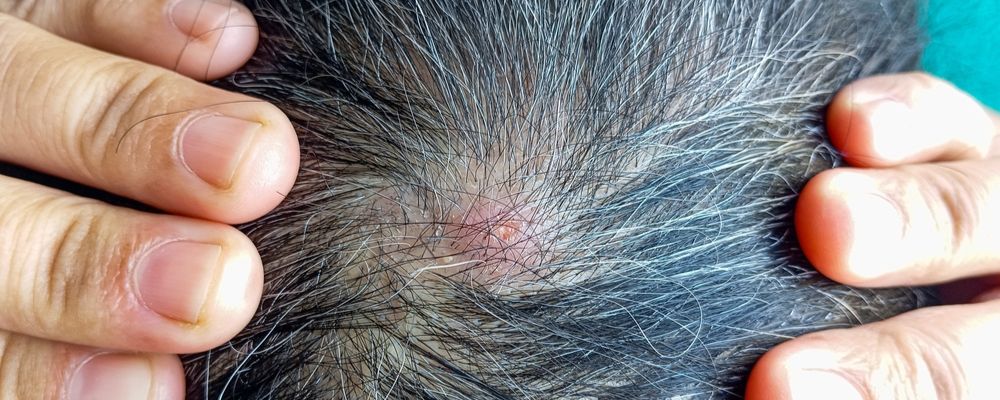
Scalp acne refers to the pimples, whiteheads, or pustules that appear on your scalp or along your hairline. These breakouts develop when your hair follicles become clogged. Typically, your scalp produces sebum, a natural oil meant to protect your skin. However, an excess buildup of sebum combined with dead skin cells can block hair follicles. Once blocked, these follicles can become inflamed, leading to acne on scalp.
It’s important to note that scalp acne can range from tiny, barely noticeable bumps to larger, painful cysts. Some people even experience itchy acne on scalp, which can worsen if scratched.
The Frequency of Occurrence
While acne commonly appears on the face, chest, and back, breakouts on the scalp are less frequently discussed. Acne impacts nearly 80% of people between the ages of 11 and 30, but scalp acne isn’t confined to adolescence. In fact, it can occur at any age and is often more prevalent among adults, making it an overlooked yet common skin concern.
Why Do I Get Acne on My Scalp?
Understanding the reasons behind acne on scalp is the first step in addressing it. Multiple factors contribute to these breakouts:
Excess Oil Production:
Just like facial acne, the overproduction of sebum can lead to clogged follicles. People with oily skin are often more prone to scalp acne.
Poor Hair Hygiene:
Not washing your hair regularly allows dead skin cells, sweat, and oils to build up. This accumulation can block follicles and result in pimples.
Hair Care Products:
Certain shampoos, conditioners, gels, or hairsprays may trigger breakouts. Ingredients like heavy oils, silicones, or even some fragrances can clog pores and irritate the scalp.
Friction and Pressure:
Wearing tight hats, helmets, or headbands regularly can rub against the scalp. This friction can irritate hair follicles and contribute to scalp acne.
Hormonal Changes:
Hormonal fluctuations, especially during puberty, menstruation, or stress, can increase oil production and trigger breakouts on the scalp.
Bacterial or Fungal Infections:
Bacteria like Propionibacterium acnes or yeast overgrowth can infect clogged follicles, causing inflammation, redness, and scalp acne. It’s also necessary to rule out fungal acne from the hormonal one to better treat the condition.
Diet and Lifestyle Factors:
High-glycemic diets, processed foods, stress, and lack of sleep can all exacerbate acne, including on your scalp.
In short, acne on scalp can develop for many reasons, often a combination of internal and external factors.
What Causes Acne on Scalp?
You might be wondering, “What causes acne on scalp specifically?” Here’s a deeper dive:
- Clogged Hair Follicles: Dead skin cells and excess oil can block pores. Once blocked, bacteria can thrive, causing inflammation.
- Reaction to Hair Products: Shampoos or conditioners with harsh chemicals may irritate your scalp. Over time, this irritation can cause acne on scalp.
- Sweat and Humidity: Sweaty scalps, especially after workouts, can trap dirt and oil, leading to breakouts.
- Medical Conditions: Certain skin conditions, such as seborrheic dermatitis or folliculitis, may mimic or trigger scalp acne.
Remember, these pimples can develop along the hairline, at the back of the head, or even under the hair. Some might feel itchy or sore, while others may remain hidden beneath your hair.
Treating acne on scalp requires a combination of proper hygiene, medicated treatments, and lifestyle adjustments. Here’s what you can do:
1. Adjust Your Hair Care Routine:
Switch to gentle, non-comedogenic shampoos that don’t clog pores. Avoid heavy oils or products with silicones that can trap sebum and dirt. Wash your hair regularly, especially if you have an oily scalp or sweat frequently.
2. Medicated Shampoos and Topical Treatments:
Over-the-counter medicated shampoos and products can help control scalp acne. Look for ingredients like:
- Salicylic Acid: Helps exfoliate dead skin cells and unclog pores.
- Glycolic Acid: Removes buildup of oils and bacteria on the scalp.
- Ketoconazole or Ciclopirox: Antifungal agents that combat yeast and dandruff if teh cause is fungal acne.
- Benzoyl Peroxide: Kills acne-causing bacteria and reduces inflammation.
3. Prescription Treatments for Persistent Acne:
If your scalp acne doesn’t improve with OTC products, consult a dermatologist. They may recommend:
- Topical Antibiotics: To reduce bacterial growth and inflammation.
- Oral Antibiotics: For more severe or widespread cases.
- Steroid Injections: To treat painful cysts or nodules.
- Phototherapy (Light Therapy): Can reduce inflammation and bacterial activity.
- Isotretinoin: In severe, resistant cases, this medication may be prescribed.
4. Lifestyle Adjustments:
- Avoid tight hats or headgear that irritate your scalp.
- Maintain a balanced diet rich in fruits, vegetables, and low-glycemic foods.
- Manage stress through mindfulness, meditation, or exercise.
By combining these treatments, you can effectively treat acne on scalp and prevent future flare-ups.
How to Prevent Acne on Scalp?
Prevention is always better than cure. Here are practical ways to prevent acne on scalp:
Keep Your Scalp Clean:
Wash your hair regularly with a gentle, non-comedogenic shampoo. Avoid overwashing, as stripping your scalp of natural oils can worsen acne.
Choose Hair Products Wisely:
Avoid products with heavy oils, silicones, or irritating fragrances. Opt for lightweight, water-based formulas that won’t clog pores.
Limit Friction:
Avoid tight hairstyles, hats, or helmets that put pressure on your scalp. If you must wear headgear, take breaks and ensure your scalp is clean.
Exfoliate Occasionally:
Use a mild scalp scrub or exfoliating shampoo to remove dead skin cells and excess oil. This helps prevent clogged follicles.
Watch Your Diet:
Eat a balanced diet with minimal processed foods and sugars. Drinking plenty of water also helps maintain healthy skin and scalp.
Manage Stress:
Stress can trigger hormonal imbalances, increasing oil production. Regular exercise, meditation, or deep-breathing exercises can help reduce stress-related breakouts.
Seek Medical Advice for Persistent Acne:
If your scalp acne persists, worsens, or causes hair loss, consult a dermatologist. Early treatment prevents complications and helps maintain a healthy scalp.
Treating Scalp Acne with Care
It’s essential to treat acne on scalp gently. Avoid scratching or picking at pimples, as this can spread bacteria and cause scarring. Use medicated shampoos as directed and be patient; scalp acne can take several weeks to improve.
For itchy acne on scalp, soothing ingredients like aloe vera or tea tree oil may help relieve irritation. However, always patch-test new products to prevent allergic reactions.
When to See a Dermatologist?
Not all scalp pimples require medical attention, but consult a dermatologist if you experience:
- Persistent or painful scalp acne.
- Large cysts or nodules.
- Hair loss around the affected area.
- Redness, swelling, or oozing pus
A professional can recommend targeted treatments and rule out other scalp conditions such as folliculitis, eczema, or fungal infections.
Conclusion
To conclude, acne on scalp can be uncomfortable, itchy, and frustrating, but it’s manageable with the right care. From proper hair hygiene and gentle products to medicated shampoos, there are effective ways to treat and prevent breakouts. For persistent or severe scalp acne, consulting a professional is essential. If you’re interested in exploring advanced treatment options, Metroboston Clinical Partners offers acne clinical trials focused on acne management, providing access to the latest therapies under expert supervision. Taking action early can help you maintain a healthy scalp and regain confidence in your hair and skin.
Need support for your clinical trials?
Your journey to better care starts here, reach out to us today!

 617-789-5300