

Key Takeaways
- Eczema on eyelid is non-contagious and caused by sensitive skin triggers.
- Identify triggers like harsh makeup, fragrances, weather, and stress.
- Treat gently with fragrance-free moisturizers, cool compresses, and no rubbing.
- Consult a specialist if symptoms persist, affect vision, or spread.
Quick Answer
Eyelid eczema causes red, dry, itchy skin on delicate lids. Non-contagious and triggered by allergens or stress, manage it using gentle, fragrance-free care, and consult a dermatologist for persistent flares.
Eczema on eyelid affects an estimated 15-20% of people at some point in their lives, making it one of the most common eczema-affected areas on the face.
Eyelid eczema skin catches people off guard because eyelids are thin, delicate, and constantly moving. A patch of dryness on your arm is annoying. The same patch on your eyelid can affect how you see, how you sleep, and honestly, how confident you feel walking out the door.
This blog walks through what eyelid eczema looks like, why it shows up, how to treat it at home, and when to bring in a specialist.
What Does Eczema on the Eyelid Look Like?
Here’s the thing about eyelid skin. It’s some of the thinnest skin on your entire body, so when something goes wrong there, it tends to show fast and show clearly.
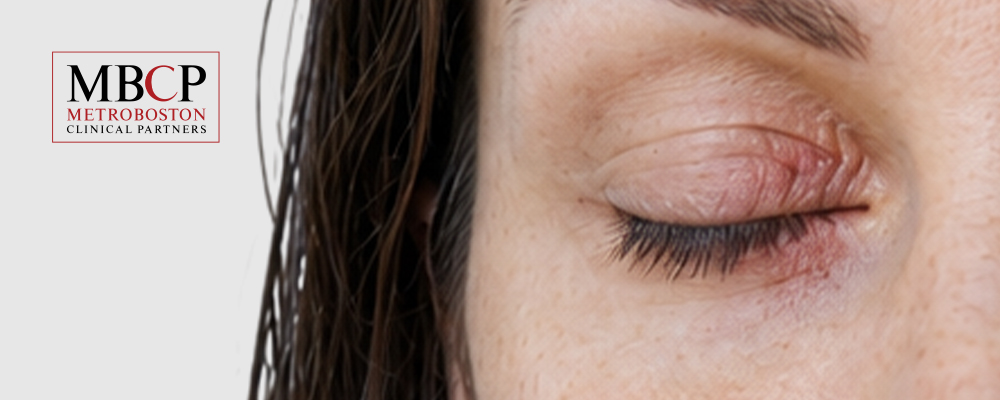
So, what does eczema on the eyelid look like in practice? Most people notice a combination of the following:
- Redness that can range from a light pink to a deeper, irritated tone.
- Dryness or flaking, sometimes fine like dandruff, sometimes thicker.
- Swelling around the lid, especially in the morning.
- Itching that gets worse with rubbing (which, ironically, makes everything worse).
- Skin that feels tight or slightly leathery over time if the flare sticks around.
One or both eyelids can be affected, and it doesn’t always stay on the upper lid either. Lower lids get their share too. A lot of people also confuse eczema on eyelid symptoms with allergic reactions or blepharitis, which is why a proper look from a professional matters if things aren’t improving.
Is Eyelid Eczema Contagious?
This is one of those questions people feel a little embarrassed to ask, but it comes up often enough that it deserves a straight answer. No, Eczema on eyelid is not contagious. You can’t catch it from someone else, and you can’t pass it along either, even with close contact.
Eyelid eczema can look inflamed or irritated in a way that resembles an infection, especially during a bad flare. The difference is that eczema comes from your own skin barrier reacting to a trigger, not from a virus or bacteria spreading between people.
There is one caveat worth knowing. Scratching a flare open can sometimes lead to a secondary infection, and that part can behave differently. If your eyelid starts oozing, crusting yellow, or feels warm to the touch, that’s worth a same-week visit rather than waiting it out.
Knowing eczema itself isn’t contagious can take some of the social pressure off while you’re working through treatment.
What’s Actually Causing Eczema on Eyelid?
Eczema on eyelid causes can vary from person to person, but they often involve a combination of triggers rather than a single factor.
The skin around your eyes is thinner and more sensitive than other areas, making it more likely to react to irritants, allergens, and environmental changes. In many cases, the eyelids are simply the first place where these reactions become noticeable.
Common triggers include:
- Contact allergens: New makeup, eye cream, or even a switched-up laundry detergent.
- Irritants: Harsh cleansers, fragranced wipes, or frequent eye rubbing.
- A history of atopic dermatitis: If you’ve had eczema elsewhere on your body, your eyelids can be next.
- Weather and dry air: Cold winters and indoor heating pull moisture from thin skin fast.
- Stress: Stress does not directly cause eczema on eyelid, but it is a common trigger that can lead to or worsen eczema flare-ups.
You might be wondering, is eczema an autoimmune disease?
Not exactly. It’s more accurate to say your immune system overreacts to triggers it shouldn’t be worried about, which leads to inflammation. That distinction matters because it shapes how treatment approaches the problem, calming the reaction rather than suppressing the immune system outright.
Discover New Possibilities for Eczema Care
Be part of an eczema clinical trial and help uncover better solutions for eczema.
How to Treat Eczema on Eyelid at Home?
Once you know eczema on your eyelid is what you’re dealing with, the next question is obvious. What do you actually do about it?
The short answer is gentle, consistent care. Eyelid skin doesn’t respond well to aggressive treatment, so the goal is to calm things down without adding new irritation into the mix.
A few things that genuinely help:
- Switch to a fragrance-free, hypoallergenic moisturizer made for sensitive skin.
- Apply a cool, clean compress for a few minutes to ease itching and swelling.
- Avoid rubbing your eyes, even when it feels impossible not to.
- Pause any new makeup or skincare products until the flare settles.
- Wash your face with lukewarm water instead of hot, since heat strips moisture.
On the flip side, here’s what tends to make eczema on eyelid treatment harder:
That last point about hydrocortisone matters more than it might seem. Over-the-counter steroid creams exist, but eyelid skin absorbs product differently than skin elsewhere, and misuse can lead to its own complications.
If you’ve been searching for how to treat eyelid eczema on your own, a quick check with a pharmacist or doctor before applying anything near your eyes is worth the extra step.
When Home Care Isn’t Enough?
Sometimes you do everything right, and the flare just won’t quit. That’s usually the signal to stop guessing and get an actual diagnosis.
Signs it’s time to loop in a specialist:
- The flare persists for more than two to three weeks despite gentle care.
- Symptoms spread beyond the eyelid to the surrounding skin.
- Vision feels affected, or the swelling seems unusual.
- You’ve tried several products and nothing sticks.
If you’re wondering how to get rid of eczema on eyelid symptoms that keep coming back, a dermatologist can help pinpoint the exact trigger through patch testing or a closer skin exam.
For people whose eczema hasn’t responded to standard treatment, dermatology research studies and atopic dermatitis clinical trials are also giving patients access to newer approaches that aren’t available through a typical prescription yet.
How MetroBoston Clinical Partners Can Help?
At MetroBoston Clinical Partners, we understand that many people living with eczema on eyelid have already tried creams, skincare routines, and other standard treatments without finding lasting relief. That’s where our work can make a difference.
Through our clinical research in Boston, we conduct dermatology clinical trials focused on conditions such as atopic dermatitis. These studies allow eligible patients to explore investigational treatment options when conventional therapies are no longer providing the results they need.
Conclusion
Eyelid eczema is uncomfortable, sometimes a little embarrassing, and almost always more manageable than it feels in the moment. What starts as a small dry patch can turn into weeks of itching and self-consciousness but understanding what’s happening under the surface changes how you approach it.
Once you know your triggers, adjust your skincare, and give your skin the gentle care it actually needs; most flares do settle down. If your eyelids have been fighting you for weeks and nothing seems to stick, that’s not a sign to push through it alone.
Reach out to us or look into our ongoing research studies built for exactly this kind of stubborn case. Your skin has been patient enough.
Need support for your clinical trials?
Your journey to better care starts here, reach out to us today!
Frequently Asked Questions
Is eyelid eczema contagious?
Eczema on eyelid is not contagious. It is caused by an overreactive skin barrier or immune response, not a transmissible virus.
What triggers an eyelid eczema flare-up?
Common triggers include makeup allergens, harsh skincare irritants, dry weather, stress, and a personal history of general atopic dermatitis.
How can I safely treat eyelid eczema at home?
Apply fragrance-free moisturizer on damp skin, use cool compresses, avoid rubbing, and pause new eye makeup until symptoms clear.
Can I put over-the-counter hydrocortisone on my eyelids?
Consult a medical professional before applying hydrocortisone, as delicate eyelid skin easily absorbs steroids and risks complications.
When should I see a dermatologist for eyelid eczema?
Seek a dermatologist if flares persist beyond two weeks, affect vision, spread to surrounding skin, or resist standard care.
Disclaimer:
This blog is intended for educational and informational purposes only and should not be considered a substitute for professional medical advice, diagnosis, or treatment. Always consult a qualified healthcare provider for any questions or concerns regarding your health or medical condition.

 617-789-5300